
The Power of Digital Transformation
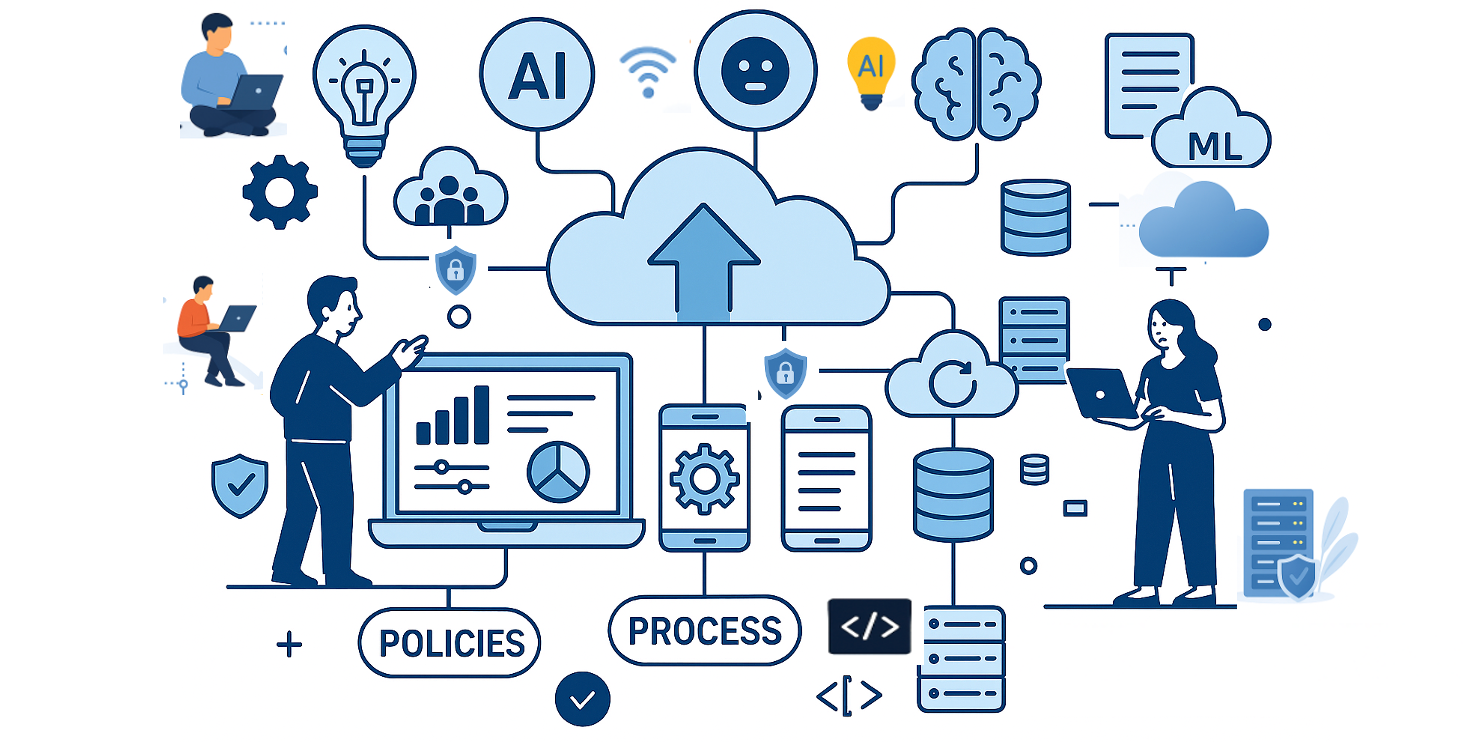
Digital transformation isn't just about adopting new technology. It's about reshaping how organisations operate, compete, and deliver value in a world where digital expectations are the norm. At its core, it integrates digital technologies into every aspect of a business, driving innovation, efficiency, and growth. Digital transformation involves rethinking traditional processes and embracing tools like cloud computing, artificial intelligence, data analytics, and automation.
Accelerated Innovation
Digital tools allow organisations to experiment, iterate, and launch new ideas faster than ever.
Digital tools allow organisations to experiment, iterate, and launch new ideas faster than ever.
- Rapid prototyping
- Data‑driven decision‑making
- Faster time‑to‑market
- Ability to pivot quickly when conditions change
Improved Efficiency & Productivity
Automation and digital workflows eliminate repetitive tasks and reduce human error. Automation reduces manual work, minimises errors, and speeds up processes. Cloud-based systems also enable teams to collaborate in real time, regardless of location.
Result: Teams focus on high‑value work instead of manual admin.
Automation and digital workflows eliminate repetitive tasks and reduce human error. Automation reduces manual work, minimises errors, and speeds up processes. Cloud-based systems also enable teams to collaborate in real time, regardless of location.
- Automated processes (e.g., invoicing, scheduling, reporting)
- AI‑powered insights
- Streamlined communication and collaboration
- Reduced operational costs
Result: Teams focus on high‑value work instead of manual admin.
Enhanced Customer Experience
Customers expect seamless, personalised, digital-first interactions.
Customers expect seamless, personalised, digital-first interactions.
- Personalised recommendations
- 24/7 support via chatbots
- Omnichannel experiences
- Faster service delivery
Global Reach & Scalability
Digital platforms remove geographical barriers. Digital makes even small businesses global.
Digital platforms remove geographical barriers. Digital makes even small businesses global.
- Sell anywhere
- Serve customers across time zones
- Scale operations without massive physical expansion
Stronger Security & Resilience
Modern digital systems offer advanced protection and business continuity. Organisations become more resilient to disruptions.
Modern digital systems offer advanced protection and business continuity. Organisations become more resilient to disruptions.
- Cloud security and backups
- Zero‑trust security models
- Real‑time threat detection
- Disaster recovery solutions
Data-Driven Decision Making
Data becomes the engine of smarter decisions. Data transforms guesswork into strategy. Organisations can collect and analyse vast amounts of data to gain insights, predict trends, and make smarter decisions.
Empowered Workforce
Digital tools enhance employee capability and satisfaction. People become more capable, creative, and connected.
Data becomes the engine of smarter decisions. Data transforms guesswork into strategy. Organisations can collect and analyse vast amounts of data to gain insights, predict trends, and make smarter decisions.
- Predictive analytics
- Customer insights
- Performance tracking
- AI‑driven forecasting
Empowered Workforce
Digital tools enhance employee capability and satisfaction. People become more capable, creative, and connected.
- Remote and hybrid work
- Digital upskilling
- Collaboration platforms
- AI assistants that reduce workload
Greater Agility and Innovation
Digital transformation helps companies respond quickly to market changes. Agile workflows and modern platforms encourage experimentation and faster product development.
Challenges to Consider
Despite its benefits, digital transformation comes with challenges:
Despite its benefits, digital transformation comes with challenges:
- Resistance to change within organisations
- High implementation costs
- Cybersecurity risks
- Need for continuous learning and upskilling
The Future of Digital Transformation
As emerging technologies like AI, IoT, and blockchain evolve, digital transformation will only accelerate. Businesses that prioritise adaptability, customer-centric strategies, and technological integration will be better positioned for long-term success.
As emerging technologies like AI, IoT, and blockchain evolve, digital transformation will only accelerate. Businesses that prioritise adaptability, customer-centric strategies, and technological integration will be better positioned for long-term success.
Digital AI Transformation: Benefits, Strategies, and Future Trends
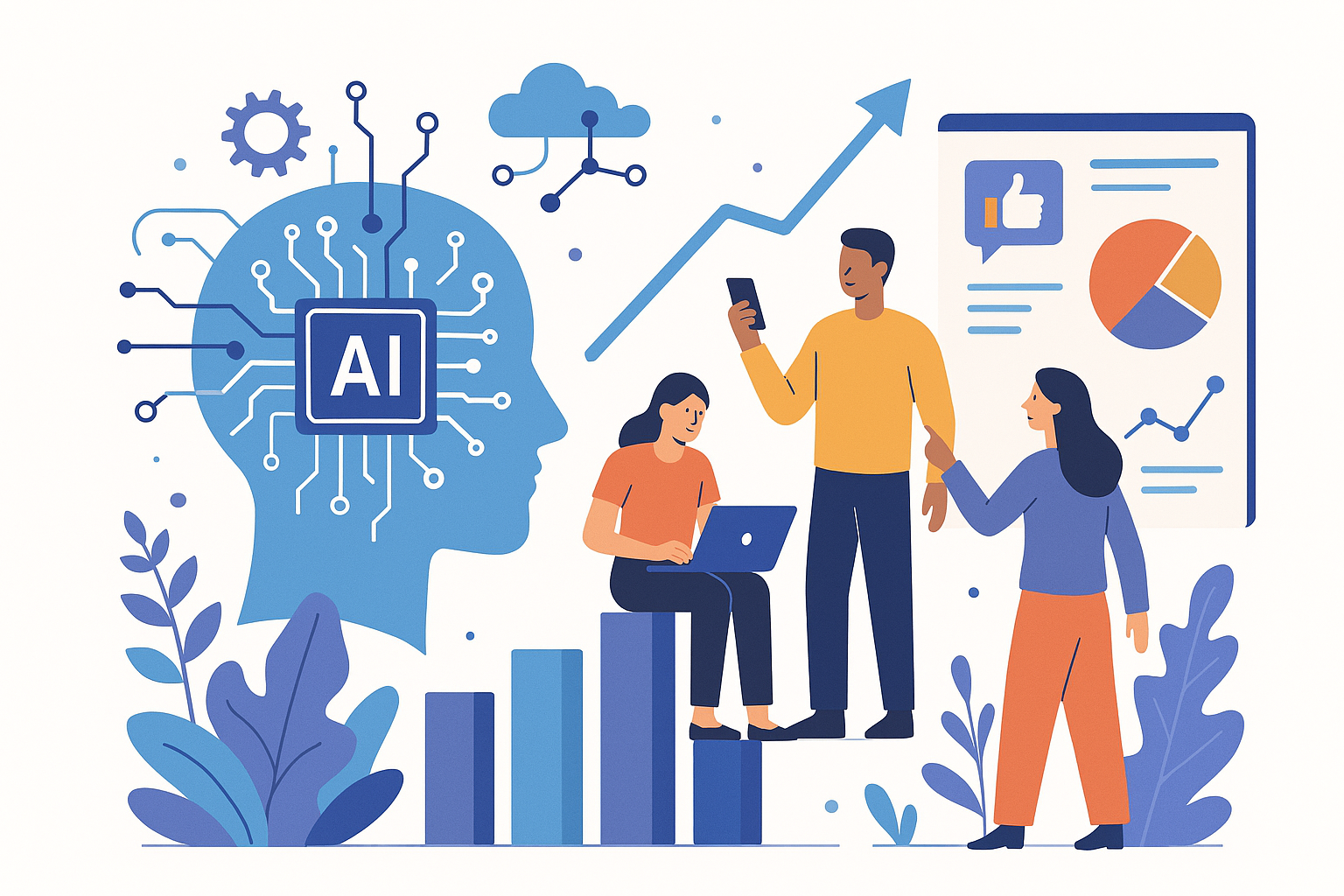
AI, Data Analytics and Digital Transformation: What Really Changes Inside a Business?