
Steps to Implement FinOps in Your Organisation or Team
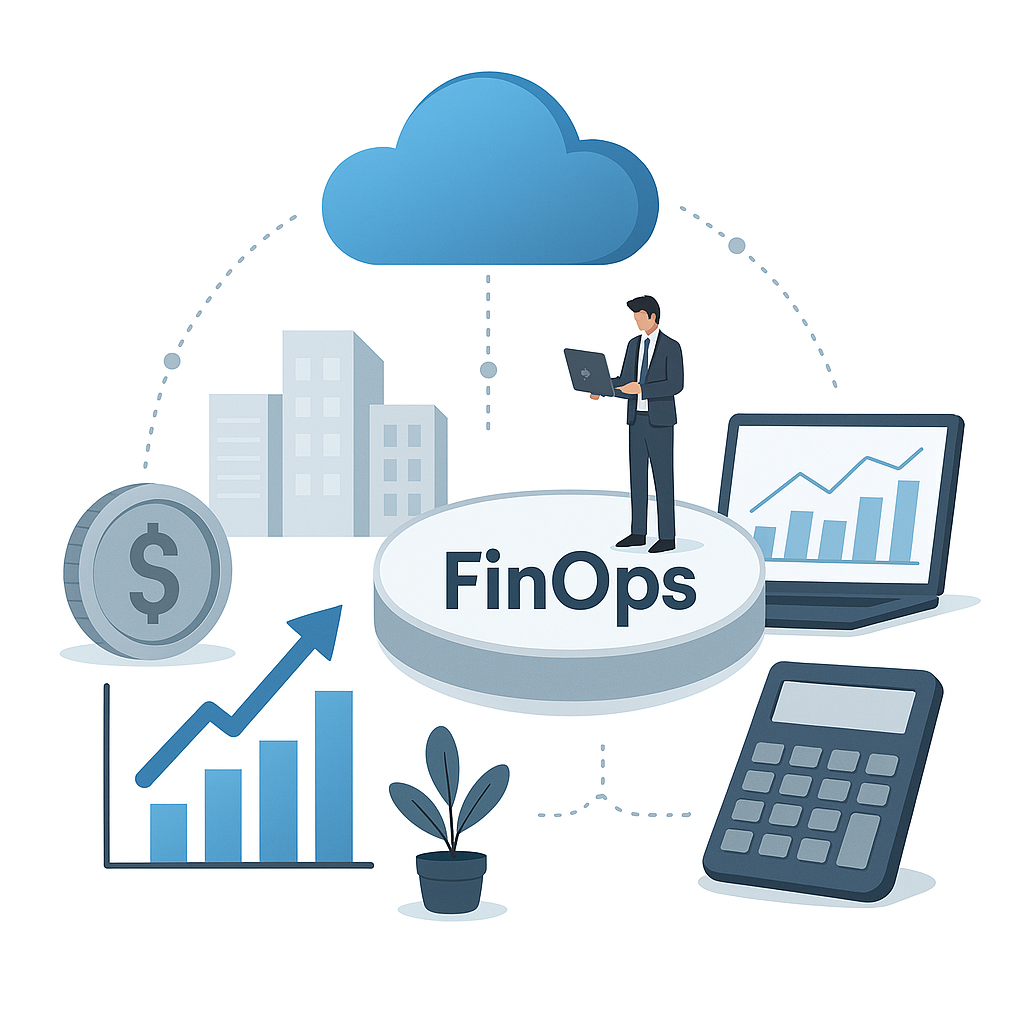
As cloud adoption accelerates, organisations are gaining unprecedented flexibility but often at the cost of spiraling and unpredictable spend. This is where FinOps (Financial Operations) comes in: a cultural and operational framework that brings financial accountability to the variable spend model of the cloud. Implementing FinOps isn’t just about cost-cutting; it’s about enabling teams to make smarter, data-driven decisions that balance speed, cost, and quality.
Implementing FinOps (Financial Operations) is not about installing a tool. it’s about changing how engineering, finance, and business teams work together around cloud spend. If you treat it like a cultural + process shift rather than just cost-cutting, it works much better.
Here’s a practical way to roll it out in your team or organisation.
Here’s a practical way to roll it out in your team or organisation.
Understanding the FinOps Mindset
At its core, FinOps is a collaborative practice that unites engineering, finance, and business teams. Instead of treating cloud costs as a static expense, FinOps encourages continuous optimisation and shared ownership. Engineers gain visibility into the financial impact of their decisions, while finance teams better understand the dynamic nature of cloud usage.
To implement FinOps effectively, your organisation must embrace transparency, accountability, and cross-functional collaboration. This cultural shift is just as important as any tooling or process you introduce.
At its core, FinOps is a collaborative practice that unites engineering, finance, and business teams. Instead of treating cloud costs as a static expense, FinOps encourages continuous optimisation and shared ownership. Engineers gain visibility into the financial impact of their decisions, while finance teams better understand the dynamic nature of cloud usage.
To implement FinOps effectively, your organisation must embrace transparency, accountability, and cross-functional collaboration. This cultural shift is just as important as any tooling or process you introduce.
Step 1: Understand and Research Your Current State
This is your foundation. Before introducing any FinOps practices, you need a clear picture of where you stand today and what challenges you’re trying to solve.
Start by analysing your current cloud spend, usage patterns, and key cost drivers across accounts, services, and teams. Look beyond total cost—focus on where and why money is being spent.
Next, identify inefficiencies such as idle resources, over-provisioning, or inconsistent (or missing) tagging. These are often the quickest opportunities for improvement and can highlight gaps in governance or visibility.
Finally, gather baseline data to support decision-making and measure progress over time. This baseline will help you build a compelling FinOps strategy and demonstrate value to stakeholders.
This step aligns with the Research stage described by the FinOps Foundation, where organizations establish visibility and understanding before taking action.
This is your foundation. Before introducing any FinOps practices, you need a clear picture of where you stand today and what challenges you’re trying to solve.
Start by analysing your current cloud spend, usage patterns, and key cost drivers across accounts, services, and teams. Look beyond total cost—focus on where and why money is being spent.
Next, identify inefficiencies such as idle resources, over-provisioning, or inconsistent (or missing) tagging. These are often the quickest opportunities for improvement and can highlight gaps in governance or visibility.
Finally, gather baseline data to support decision-making and measure progress over time. This baseline will help you build a compelling FinOps strategy and demonstrate value to stakeholders.
This step aligns with the Research stage described by the FinOps Foundation, where organizations establish visibility and understanding before taking action.
Step 2: Establish Ownership and Accountability
Once you understand your current state, the next step is to define clear ownership of cloud costs. FinOps works best when responsibility is shared rather than centralised.
Assign accountability to engineering teams for the resources they provision, while finance teams provide oversight, budgeting guidance, and governance. Consider forming a FinOps function or appointing FinOps champions within teams to bridge the gap between technical and financial stakeholders.
Clear ownership ensures that cost management becomes part of everyday decision-making rather than an afterthought.
Step 3: Gain Visibility into Cloud Spend
You can’t optimise what you can’t see. Implement tools and dashboards that provide real-time insights into cloud usage and costs. Break down spending by team, project, or environment to identify patterns and anomalies.
Tagging is critical here. Ensure resources are consistently labeled so costs can be accurately attributed. Without proper tagging, visibility—and therefore accountability—breaks down.
Step 4: Set Budgets and Forecasts
Introduce budgeting practices that align with business goals. Work with stakeholders to define acceptable spending levels and create forecasts based on historical data and expected growth.
Unlike traditional IT budgets, cloud budgets should be flexible and revisited frequently. Encourage teams to treat budgets as guardrails rather than rigid limits.
Step 5: Drive Cost Optimisation
With visibility and accountability in place, you can begin optimising.
This includes:
Step 6: Implement Governance and Policies
Establish policies to guide spending without slowing innovation. This might include approval workflows for large deployments, cost anomaly alerts, or automated enforcement of tagging standards.
The goal is to create lightweight governance that empowers teams while maintaining control.
Step 7: Foster a Culture of Accountability
FinOps succeeds when everyone feels responsible for cost efficiency. Share reports regularly, celebrate wins, and highlight areas for improvement. Encourage teams to experiment and learn from their spending patterns.
Education is key, provide training so teams understand both the technical and financial aspects of cloud usage.
Step 8: Iterate and Improve
FinOps is a journey, not a destination. As your organization evolves, so will your cloud usage and financial practices. Regularly review your processes, tools, and metrics to ensure they remain effective.
Solicit feedback from teams and refine your approach to better align with business objectives.
- Rightsizing resources (e.g., scaling down over-provisioned instances)
- Eliminating unused or idle assets
- Leveraging pricing models like reserved or spot instances
- Automating start/stop schedules for non-production environments
Step 6: Implement Governance and Policies
Establish policies to guide spending without slowing innovation. This might include approval workflows for large deployments, cost anomaly alerts, or automated enforcement of tagging standards.
The goal is to create lightweight governance that empowers teams while maintaining control.
Step 7: Foster a Culture of Accountability
FinOps succeeds when everyone feels responsible for cost efficiency. Share reports regularly, celebrate wins, and highlight areas for improvement. Encourage teams to experiment and learn from their spending patterns.
Education is key, provide training so teams understand both the technical and financial aspects of cloud usage.
Step 8: Iterate and Improve
FinOps is a journey, not a destination. As your organization evolves, so will your cloud usage and financial practices. Regularly review your processes, tools, and metrics to ensure they remain effective.
Solicit feedback from teams and refine your approach to better align with business objectives.
Final Thoughts
Implementing FinOps requires more than just tools, it demands a shift in mindset and collaboration across your organisation. By focusing on visibility, accountability, and continuous improvement, you can turn cloud spending from a source of concern into a strategic advantage.
Done right, FinOps doesn’t just reduce costs. it empowers teams to innovate with confidence, knowing they are making financially responsible decisions.
Implementing FinOps requires more than just tools, it demands a shift in mindset and collaboration across your organisation. By focusing on visibility, accountability, and continuous improvement, you can turn cloud spending from a source of concern into a strategic advantage.
Done right, FinOps doesn’t just reduce costs. it empowers teams to innovate with confidence, knowing they are making financially responsible decisions.
Need further assistance?
How can we help ?
Brainstorming: Exploring fresh ideas or building on existing ones.
Problem Solving: Working through technical, logical, or creative challenges.
Organisation: Bringing structure to your thoughts, plans, or information.
Clarity: Breaking down complex ideas into clear, simple explanations.
Implementation: Helping you turn ideas into actionable steps, plans, or real-world execution.

AI, Data Analytics and Digital Transformation: What Really Changes Inside a Business?
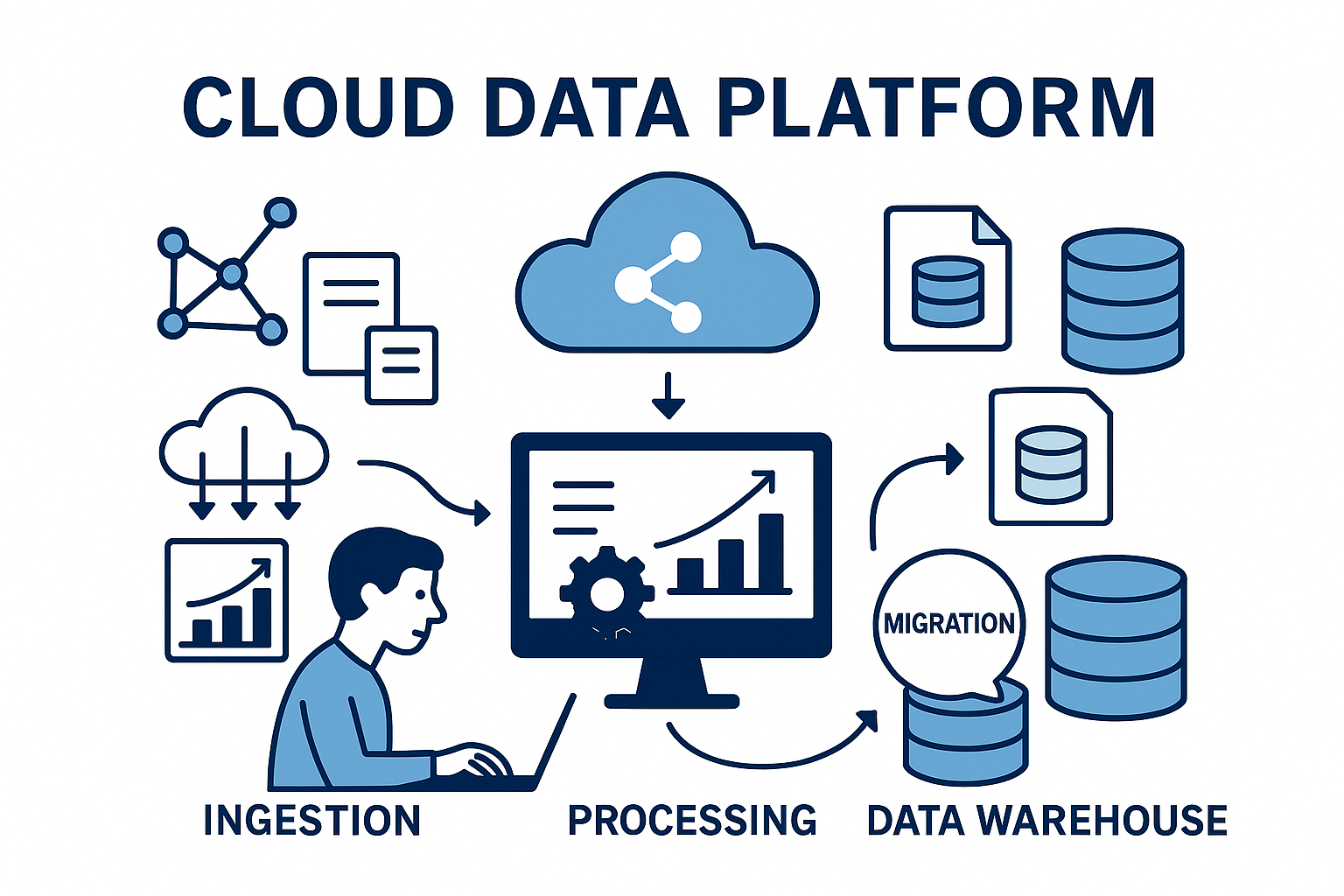
Modernising data convergence in AWS through AWS DMS replication and Data Lake architecture